Table Of Content
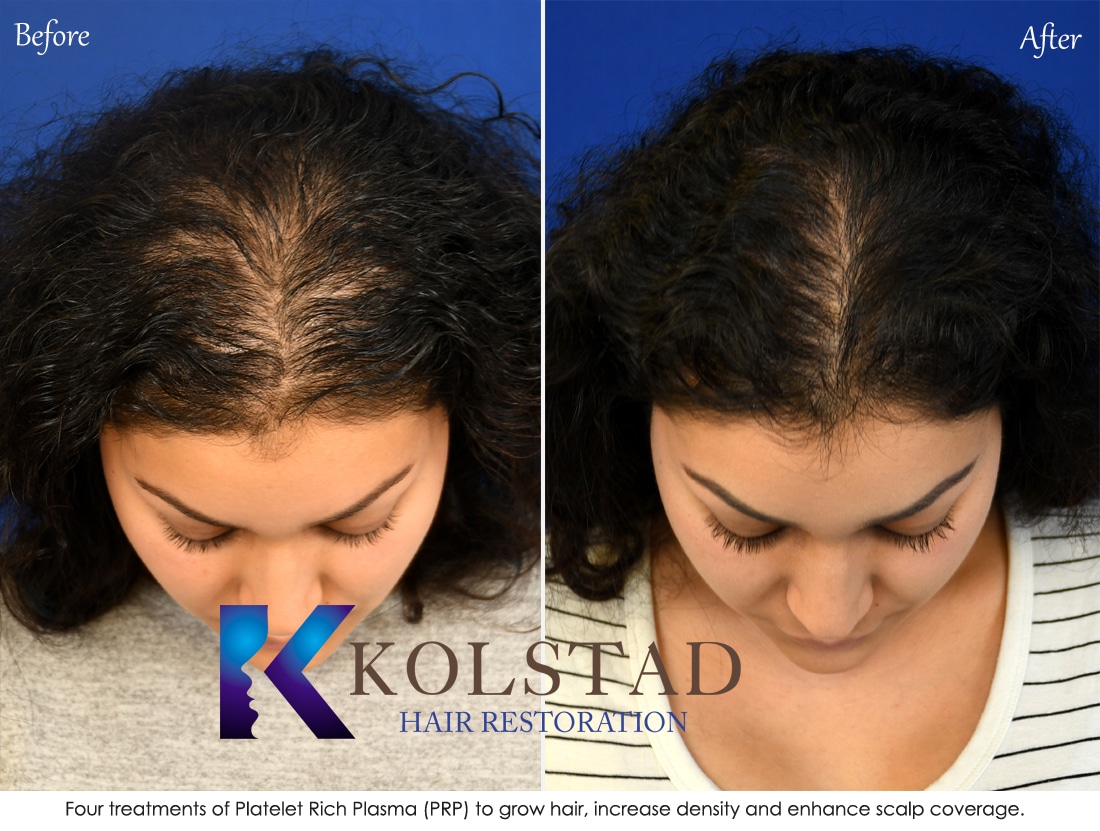
A small study published in the April–June 2014 issue of the Journal of Cutaneous and Aesthetic Surgery tested PRP on 11 men with androgenetic alopecia who had not had success after six months of medication. After three months, they received four treatments and saw their hair count increase by about 30 percent. PRP doesn’t deliver results immediately, so you shouldn’t expect to see a full head of hair overnight. You’ll likely need three monthly sessions followed by an appointment four to six months later, and then yearly maintenance sessions after that, Khetarpal says. The exact schedule of your treatment plan will depend on a few factors, including the amount of hair loss you’re dealing with, as well as your age, hormones, and genetic makeup, according to the Cleveland Clinic.
Who Might Platelet-Rich Plasma Therapy Help?
Initially used to heal joints, PRP has been gaining traction over the past few years as an innovative way to encourage hair growth. However, the team noted that because various researchers and clinics use different preparations, session intervals, and injection techniques to administer PRP, its effects can vary. It’s important to speak with a healthcare professional about the potential side effects of PRP therapy. There’s no risk of contracting a communicable disease with PRP therapy because it involves injecting your own blood into your scalp.
Does insurance typically cover PRP for hair loss?
Hair loss and thinning hair are common problems across all genders. About 50 million men and 30 million women have lost at least some hair. It’s especially common after reaching age 50 or as a result of stress. Find out how nutrient deficiencies, COVID-19, and autoimmune conditions like alopecia...
PRP for Hair Loss
PRP hair rejuvenation does not prevent new areas of baldness from forming on your scalp. Scheduling touch-up injections at least once a year, helps maintain hair growth achieved with PRP. In contrast to hair transplants, low level lasers, medications like Rogaine, Propecia, and DHT inhibitors, a PRP treatment option is noninvasive with few side effects.
What are the risks or potential side effects of PRP for hair loss?
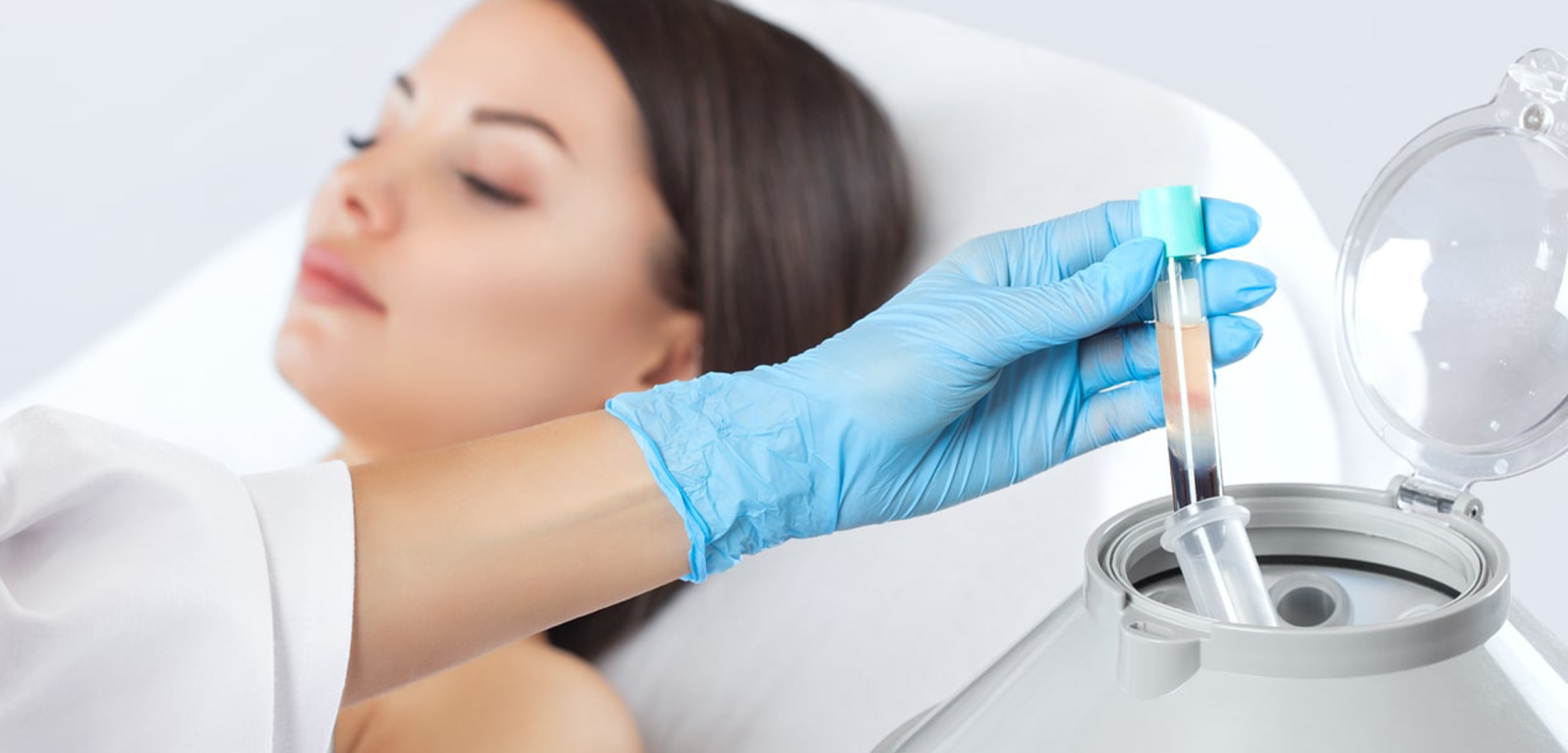
This layer is separated from the others along with a small quantity of plasma and is thus termed platelet-rich plasma, in which the growth factors reside. Platelets are part of your blood and much smaller than red blood cells. They also contain a wide variety of growth factors, which improve healing and stimulate hair growth. Platelet-Rich Plasma (PRP) Hair Restoration is one of today's most advanced, natural hair restoration treatments available, with a proven track record for providing patient satisfaction and results. PRP injections can be effective in treating male pattern baldness, both in preventing hair loss and promoting new hair growth. PRP can also aid in the stimulation of hair growth after hair transplants.
Vampire facials' body of evidence is anemic Office for Science and Society - Office for Science and Society
Vampire facials' body of evidence is anemic Office for Science and Society.
Posted: Fri, 05 Jan 2024 08:00:00 GMT [source]
Get the latest in health news delivered to your inbox!
If you’re unsure about whether PRP therapy is right for you, speak with a healthcare professional. They can develop a treatment plan for hair loss that’s right for you. Ordinarily, PRP hair reclamation includes 3 meetings, put between 5-multi week stretches, alongside upkeep treatments something like two times every year. Furthermore, the cost will fluctuate contingent upon factors like the sort of strategy, kind of hardware, and region/area.
A large body of research has shown that these over-the-counter creams and foams, applied to the scalp daily, are effective at stimulating hair growth, increasing hair density and halting hair loss over time. Because a patient’s own blood is used, PRP treatments stimulate natural hair growth without the risk of allergic reactions or rejections. There are various reasons why people experience hair loss, from hereditary conditions to hormone changes, damaging hair styles, and autoimmune diseases.
Potential Risks and Side Effects
Hereditary hair loss is extremely common — it affects about 80 million people in the United States alone — but that doesn’t make it any less distressing. Many men and women battling sudden balding or thinning hair turn to doctors for help. PRP uses the patient’s own highly concentrated growth factors in the form of platelets to extend the most active portion of the hair growth cycle.
Why Nazarian Plastic Surgery for your PRP Hair Rejuvenation?
After noticing her hair growing slower and thinning out, one writer decided to try an at-home topical product for restoration. Researchers theorized that if they could extract concentrated platelets and inject them into damaged areas of the body, they could accelerate healing. To understand how PRP works, it is important to be aware of the role that platelets play in healing. By Lindsay CurtisCurtis is a writer with over 20 years of experience focused on mental health, sexual health, cancer care, and spinal health.
The most common cause of alopecia is an inherited condition called male- or female-pattern hair loss. Here, dermatologists share what you need to know about alopecia, including possible causes, treatment options and what you can do to prevent more hair loss. PRP for hair loss is generally safe, as it uses the patient's own blood products and injects them back into the same person. Potential side effects are pain, infection, soft tissue injury, bruising and bleeding.
The process is meticulous — with injections beginning across the scalp, approximately at every half inch over the area of thinning hair — but typically, the entire procedure takes less than a half-hour. Take the time to determine if you have found an office that provides many treatments for hair loss, and be wary if only expensive treatments are recommended. Visiting the office and meeting with the provider is also critical to determining your best treatment approach.
Because the treatment is cosmetic, insurance does not cover the procedure, Dr. Khetarpal says. However, an emerging treatment — platelet-rich plasma (PRP) therapy — appears to help regrow lost hair. And, there are virtually no side effects from PRP, except for a mild feeling of pressure at the injection site, says dermatologist Shilpi Khetarpal, MD.


No comments:
Post a Comment